Overview
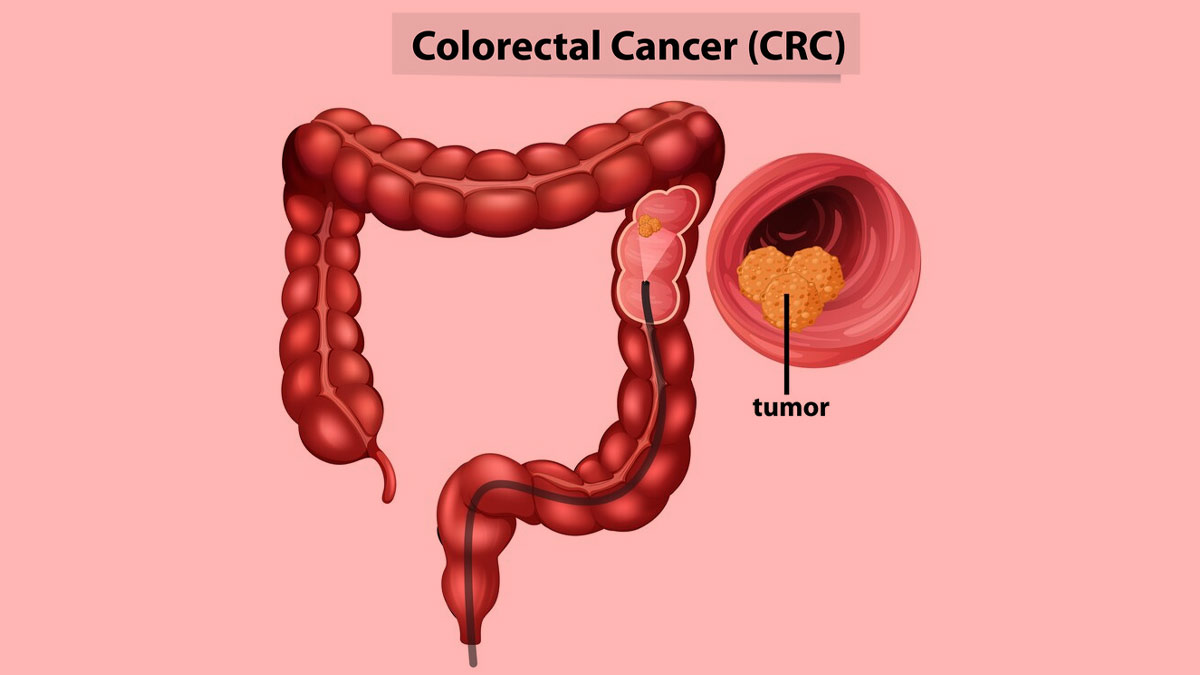
Colorectal Cancer or Colon cancer, also known as colorectal cancer when it affects the rectum as well, is a type of cancer that starts in the colon or rectum. It usually begins as small, noncancerous clumps of cells called polyps that form on the inside of the colon. Over time, some of these polyps can become colon cancers.
Symptoms of Colorectal Cancer
- Changes in bowel habits, including diarrhea or constipation
- Blood in the stool or rectal bleeding
- Persistent abdominal discomfort, such as cramps, gas, or pain
- A feeling that your bowel doesn’t empty completely
- Weakness or fatigue
- Unexplained weight loss
Risk Factors
- Age: Most people diagnosed with colon cancer are older than 50.
- Personal history of polyps or cancer: A history of polyps or previous colon cancer increases risk.
- Inflammatory intestinal conditions: Chronic inflammatory diseases of the colon, such as ulcerative colitis and Crohn's disease, increase the risk.
- Family history: Having a family history of colon cancer or polyps.
- Inherited syndromes: Genetic syndromes like familial adenomatous polyposis (FAP) and Lynch syndrome.
- Low-fiber, high-fat diet: Diets low in fiber and high in fat and calories.
- Sedentary lifestyle: Lack of regular physical activity.
- Diabetes: People with diabetes have an increased risk.
- Obesity: Obesity increases the risk of colon cancer.
- Smoking and alcohol: Long-term smoking and heavy alcohol use increase the risk.
Diagnosis
- Colonoscopy: A procedure using a long, flexible tube with a camera to view the entire colon and rectum. Polyps can be removed during this procedure.
- Blood tests: Tests like the fecal occult blood test (FOBT) check for hidden blood in the stool, and blood tests for tumor markers like CEA (carcinoembryonic antigen).
- Imaging tests: CT colonography (virtual colonoscopy) and barium enema.
Stages of Colon Cancer
Colon cancer stages range from 0 to IV:
- Stage 0: Cancer is in its earliest stage, not grown beyond the inner layer of the colon.
- Stage I: Cancer has grown into the mucosa but hasn't spread beyond the colon wall or rectum.
- Stage II: Cancer has grown through the wall of the colon but hasn't spread to nearby lymph nodes.
- Stage III: Cancer has spread to nearby lymph nodes but not to other parts of the body.
- Stage IV: Cancer has spread to distant organs, such as the liver or lungs.
Treatment
Treatment options depend on the stage of the cancer:
Surgery:
- Polypectomy and local excision: Removing polyps or cancer in its earliest stages during a colonoscopy.
- Colectomy: Removing part or all of the colon containing the cancer.
Chemotherapy: Uses drugs to destroy cancer cells, often used after surgery to eliminate remaining cancer cells.
Radiation therapy: Uses high-energy rays to kill cancer cells, commonly used for rectal cancer.
Targeted therapy: Uses drugs that target specific abnormalities in cancer cells, often used for advanced colon cancer.
Immunotherapy: Uses the body's immune system to fight cancer, typically for advanced cancer that doesn’t respond to other treatments.
Prognosis
The prognosis for colon cancer depends on the stage at diagnosis, the patient's overall health, and how well the cancer responds to treatment. Early detection through regular screening is crucial for successful treatment and better outcomes.
Regular screenings, such as colonoscopies, starting at age 45 (or earlier for those with risk factors), can help detect polyps before they turn into cancer and identify cancer at an early, more treatable stage.