Day Care Biopsy
A day care biopsy, also known as an outpatient biopsy, is a medical procedure where a sample of tissue is removed for examination and analysis, and the patient typically goes home on the same day. This type of biopsy is usually performed in a clinic or outpatient setting rather than a hospital. Here’s an overview of what to expect:
Types of Biopsies
Needle Biopsy:
- Fine Needle Aspiration (FNA): A thin needle is used to extract a small amount of tissue or fluid from the area of interest.
- Core Needle Biopsy: A larger needle is used to remove a small cylinder (core) of tissue from the abnormal area.
Endoscopic Biopsy:
- Performed using an endoscope, a thin tube with a camera and tools, to obtain tissue samples from areas inside the body, such as the gastrointestinal tract, lungs, or bladder.
Incisional Biopsy:
- A portion of the tumor or abnormal area is removed for analysis while leaving the rest intact.
Excisional Biopsy:
- The entire abnormal area or lump is removed for examination.
Skin Biopsy:
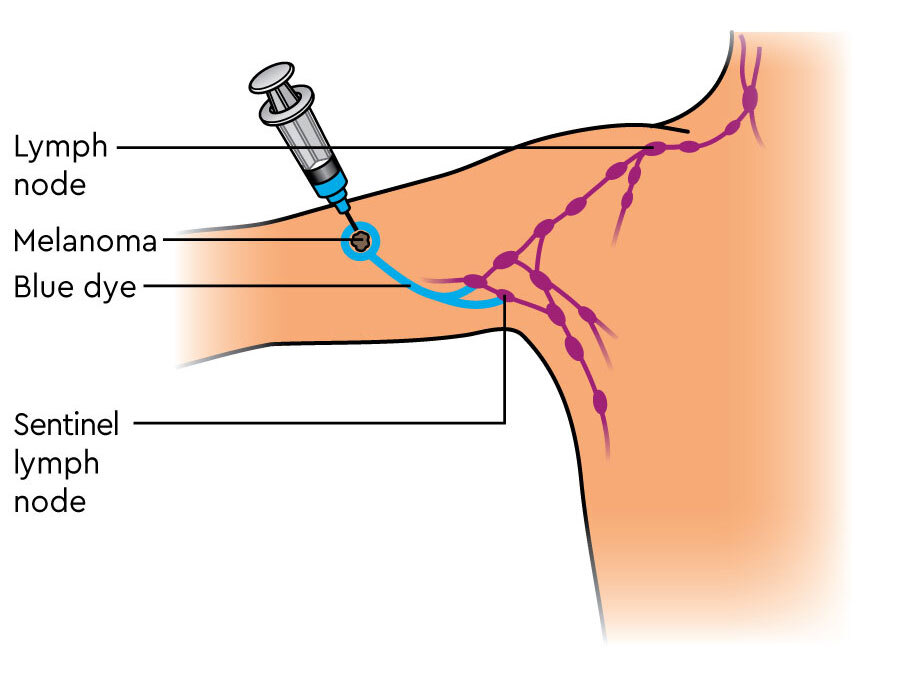
- Shave Biopsy: A small portion of the skin is shaved off.
- Punch Biopsy: A circular piece of skin is removed.
- Excisional Biopsy: A larger area of skin is removed.
Procedure
Preparation:
- You may be asked to fast for a few hours before the procedure, especially if sedation or anesthesia is required.
- Inform your healthcare provider about any medications you’re taking and any allergies or health conditions.
Anesthesia:
- Local anesthesia is typically used to numb the area where the biopsy will be performed. You’ll be awake during the procedure but won’t feel pain in the biopsy area.
Biopsy:
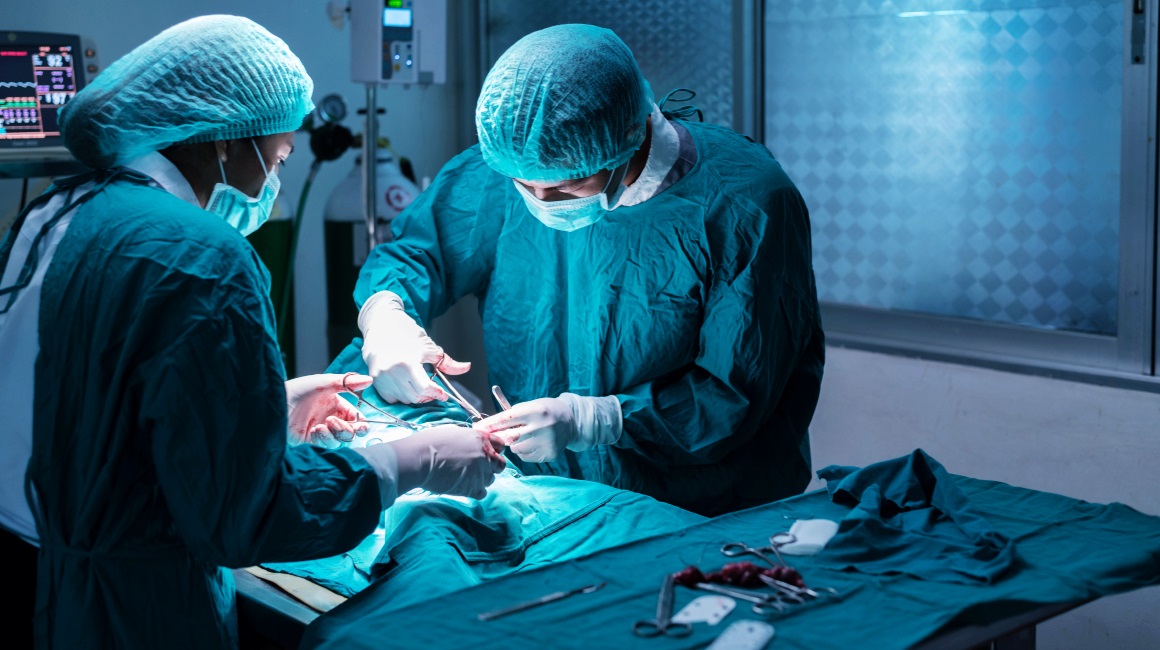
- The healthcare provider will use the appropriate method to obtain the tissue sample. This might involve inserting a needle, using an endoscope, or making a small incision.
Post-Procedure Care:
- The area may be bandaged or covered with a dressing.
- You might experience some soreness, bruising, or swelling at the biopsy site, which is usually temporary.
Recovery and Follow-Up
- Recovery: Most people can return to their normal activities immediately or within a day. Follow the specific care instructions provided by your healthcare provider.
- Results: The tissue sample is sent to a laboratory for analysis. Results are typically available within a few days to a couple of weeks, depending on the complexity of the tests required.
Potential Risks
- Infection: Though rare, there is a small risk of infection at the biopsy site.
- Bleeding: Some bleeding may occur, but it is usually minimal and controllable.
- Pain: Mild discomfort or soreness at the biopsy site is common.
Benefits
- Convenience: Performed on an outpatient basis, allowing patients to return home the same day.
- Early Diagnosis: Helps in diagnosing conditions at an early stage, which can be crucial for effective treatment.
When to Use
Day care biopsies are used for various diagnostic purposes, including:
- Evaluating suspicious lumps or masses.
- Diagnosing cancer or other diseases.
- Investigating unexplained symptoms or abnormalities.
Day care biopsies are a common and efficient way to obtain necessary diagnostic information while minimizing disruption to the patient’s daily life.