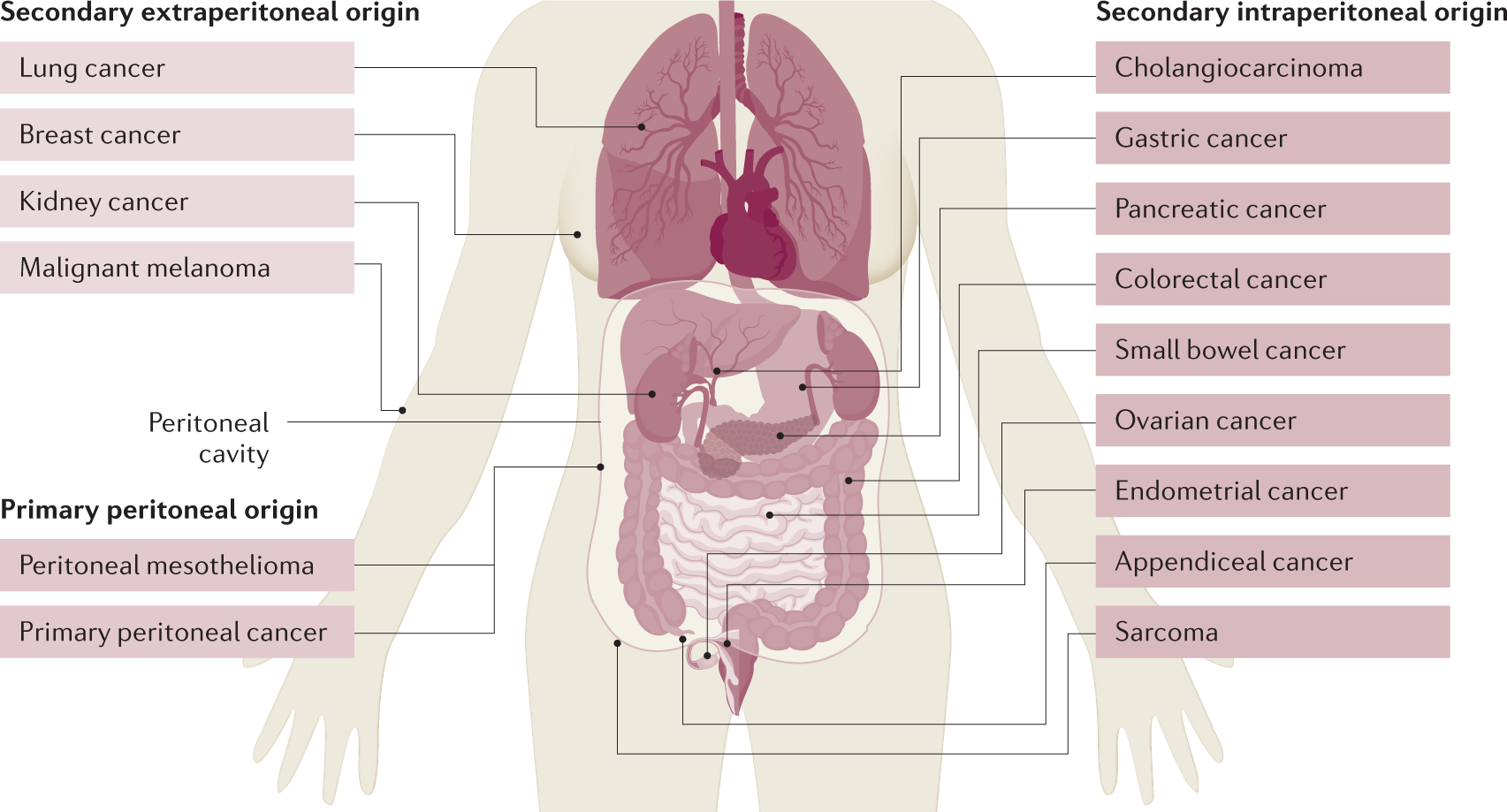
Overview
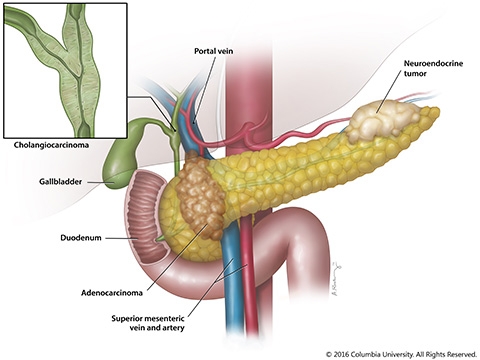
Pancreatic cancer is a serious and often aggressive cancer that starts in the pancreas, an organ located behind the stomach that produces digestive enzymes and hormones, including insulin. Key aspects of pancreatic cancer include:
Types of Pancreatic Cancer
Exocrine Tumors: These arise from the cells that produce digestive enzymes.
- Adenocarcinoma: The most common type, starting in the cells lining the pancreatic ducts.
- Acinar Cell Carcinoma: A rare type originating from the cells that produce digestive enzymes.
- Pancreatic Neuroendocrine Tumors (PNETs): Less common, arising from hormone-producing cells in the pancreas.
Endocrine Tumors: These tumors originate from the hormone-producing cells of the pancreas.
- Insulinomas: Tumors that produce excessive insulin.
- Gastrinomas: Tumors that produce excessive gastrin, leading to excessive stomach acid production.
- Glucagonomas: Tumors that produce excessive glucagon, affecting blood sugar levels.
Symptoms
- Jaundice: Yellowing of the skin and eyes, often due to bile duct obstruction.
- Abdominal Pain: Persistent or worsening pain in the upper abdomen or back.
- Weight Loss: Unexplained weight loss and loss of appetite.
- Nausea and Vomiting: Digestive issues that may accompany pain.
- Dark Urine and Pale Stools: Changes in urine and stool color due to bile duct obstruction.
- New-Onset Diabetes: Sudden development of diabetes or worsening of existing diabetes.
Diagnosis
- Imaging Studies:
- CT Scan: Provides detailed images to identify the tumor and assess its extent.
- MRI: Offers additional detail, particularly useful for evaluating liver involvement.
- Endoscopic Ultrasound (EUS): Allows for detailed imaging and biopsy of the pancreas.
- PET Scan: Assesses whether cancer has spread to other parts of the body.
- Biopsy:
- Fine Needle Aspiration (FNA): Using a needle guided by imaging to obtain a tissue sample for analysis.
- Blood Tests:
- Tumor Markers: Tests for substances like CA 19-9, which may be elevated in pancreatic cancer.
Treatment
Surgery:
- Whipple Procedure (Pancreaticoduodenectomy): Removal of the head of the pancreas, part of the small intestine, and sometimes the gallbladder and part of the stomach.
- Distal Pancreatectomy: Removal of the tail and sometimes part of the body of the pancreas.
- Total Pancreatectomy: Removal of the entire pancreas, often for tumors involving the entire organ.
Chemotherapy:
- Adjuvant Chemotherapy: Used after surgery to kill remaining cancer cells.
- Neoadjuvant Chemotherapy: Used before surgery to shrink the tumor and make it operable.
Radiation Therapy:
- External Beam Radiation: Targets the tumor to kill cancer cells and reduce the size of the tumor, often used in combination with chemotherapy.
Targeted Therapy:
- Drugs: Such as erlotinib, which targets specific molecular changes in cancer cells.
Immunotherapy:
- Checkpoints Inhibitors: Newer treatments that help the immune system recognize and attack cancer cells.
Palliative Care:
- Symptom Management: Focuses on relieving symptoms and improving quality of life.
- Pain Control: Using medications and other methods to manage pain and discomfort.
Prognosis
- Stage of Cancer: The prognosis largely depends on the stage of the cancer at diagnosis, with early-stage cancers having a better prognosis than advanced-stage ones.
- Resectability: Whether the cancer can be surgically removed or not affects the treatment options and prognosis.
- Overall Health: The patient's general health and response to treatment also play a role in outcomes.
Support and Resources
- Support Groups: Providing emotional support and sharing experiences with others facing similar challenges.
- Educational Resources: Offering information about the disease, treatment options, and coping strategies.
Pancreatic cancer is often diagnosed at an advanced stage, making early detection and comprehensive treatment crucial for improving outcomes. A multidisciplinary approach involving surgeons, oncologists, radiologists, and palliative care specialists is essential for effective management.