Overview

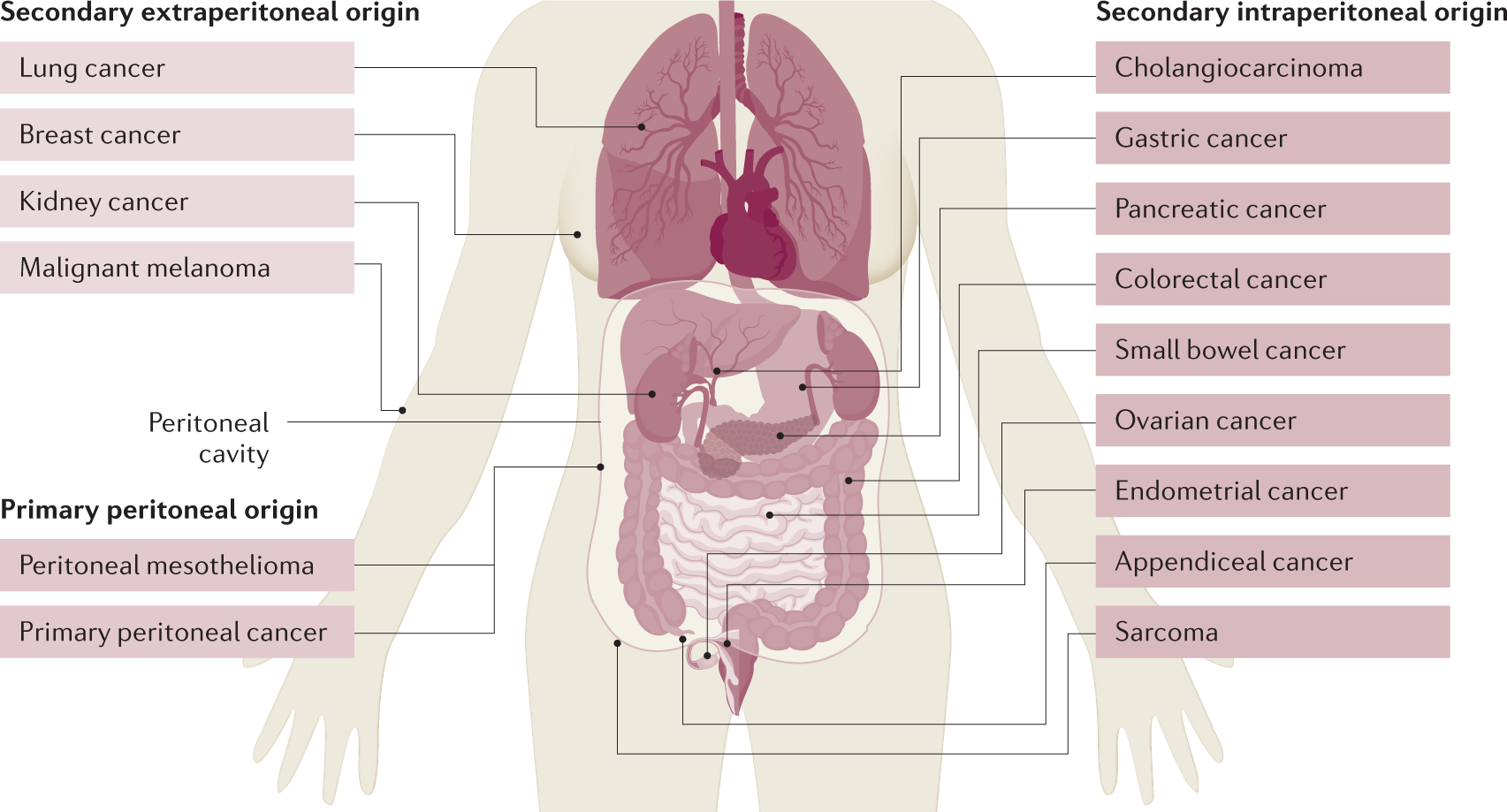
Ovarian cancer is a type of cancer that begins in the ovaries, the female reproductive organs that produce eggs. It is often detected at an advanced stage because it usually doesn't cause noticeable symptoms early on.
Types of Ovarian Cancer
- Epithelial Tumors: These start in the outer surface of the ovary. They are the most common type, accounting for about 90% of ovarian cancers.
- Germ Cell Tumors: These start in the egg-producing cells. They are rare and typically occur in younger women.
- Stromal Tumors: These start in the hormone-producing cells within the ovary. They are also rare and can be diagnosed at an earlier stage.
Symptoms of Ovarian Cancer
- Abdominal bloating or swelling
- Quickly feeling full when eating
- Weight loss
- Discomfort in the pelvis area
- Changes in bowel habits, such as constipation
- Frequent need to urinate
Risk Factors
- Age: Most common in women aged 50 to 60 years.
- Inherited gene mutations: BRCA1 and BRCA2 gene mutations significantly increase the risk.
- Family history: A family history of ovarian cancer or breast cancer.
- Estrogen hormone replacement therapy: Especially when used for long periods and in large doses.
- Age when menstruation started and ended: Starting menstruation at an early age or starting menopause at a later age, or both, may increase the risk.
- Never having been pregnant: Women who have never been pregnant have a higher risk.
- Certain fertility treatments: Long-term use of fertility drugs may increase the risk.
Diagnosis
- Pelvic examination: A physical exam to check for lumps or changes in the shape or size of the ovaries.
- Imaging tests: Such as ultrasound, CT scan, and MRI to detect abnormalities in the ovaries.
- Blood tests: Tests for cancer antigen 125 (CA-125), a protein that can be a marker for ovarian cancer.
- Biopsy: Removing a sample of tissue or fluid to examine for cancer cells.
Stages of Ovarian Cancer
Ovarian cancer stages range from I to IV:
- Stage I: Cancer is confined to one or both ovaries.
- Stage II: Cancer has spread to other pelvic structures.
- Stage III: Cancer has spread to the abdominal lining or lymph nodes.
- Stage IV: Cancer has spread to distant organs, such as the liver or lungs.
Treatment
Treatment options depend on the type and stage of ovarian cancer, as well as the patient’s overall health:
Surgery:
- Salpingo-oophorectomy: Removal of one or both ovaries and fallopian tubes.
- Hysterectomy: Removal of the uterus.
- Debulking surgery: Removal of as much of the tumor as possible if the cancer has spread.
Chemotherapy: Uses drugs to kill cancer cells, often administered after surgery to eliminate remaining cancer cells.
Targeted therapy: Drugs that target specific weaknesses in cancer cells, such as PARP inhibitors for BRCA-mutated ovarian cancer.
Hormone therapy: Used in certain types of ovarian cancer to block hormones that fuel cancer growth.
Radiation therapy: Uses high-energy rays to kill cancer cells, though it’s less commonly used for ovarian cancer compared to other treatments.
Prognosis
The prognosis for ovarian cancer depends on the stage at diagnosis, the patient's overall health, and how well the cancer responds to treatment. Early-stage ovarian cancer has a better prognosis, while advanced ovarian cancer is more challenging to treat and generally has a poorer prognosis.
Regular follow-up care and monitoring are crucial for managing ovarian cancer, especially for those at high risk. Advances in treatment have improved survival rates for many patients with ovarian cancer. Early detection through routine gynecological exams and awareness of symptoms can lead to earlier diagnosis and better outcomes.