Radiology Services
Radiology services encompass a broad range of diagnostic and interventional procedures that use various imaging techniques to diagnose, monitor, and treat medical conditions. These services are crucial in modern medicine for providing detailed images of the inside of the body to aid in accurate diagnosis and effective treatment. Here’s an overview of the key components of radiology services:
Diagnostic Imaging
X-ray:
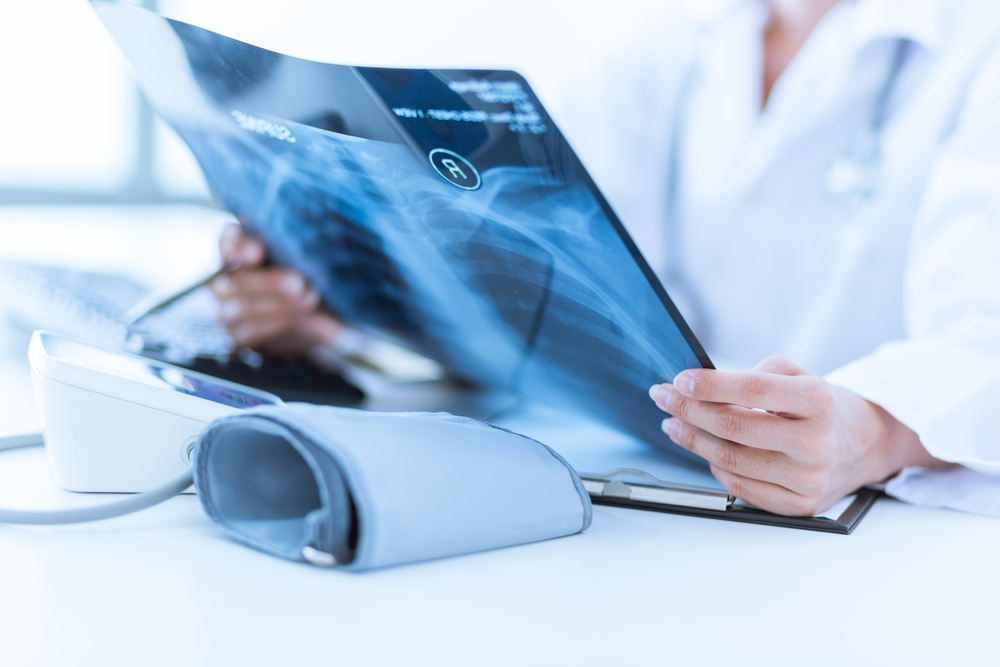
- Conventional X-ray: Uses radiation to produce images of bones and some soft tissues. Commonly used to diagnose fractures, infections, and certain diseases.
- Fluoroscopy: Provides real-time moving images of the interior of the body using X-rays, often used for procedures like barium swallows or catheter placements.
Computed Tomography (CT):
- CT Scan: Combines X-ray images taken from different angles and uses computer processing to create cross-sectional images of the body. Useful for diagnosing conditions in the chest, abdomen, pelvis, and bones.
Magnetic Resonance Imaging (MRI):
- MRI Scan: Uses powerful magnets and radio waves to create detailed images of soft tissues, including the brain, spinal cord, muscles, and joints. It is highly effective for assessing soft tissue abnormalities.
Ultrasound:
- Sonography: Uses high-frequency sound waves to produce images of organs and structures within the body. Commonly used in obstetrics (e.g., fetal imaging), cardiology, and for evaluating abdominal and pelvic organs.
Mammography:
- Breast Imaging: Specialized X-ray imaging of the breast to detect and diagnose breast cancer or other abnormalities.
Nuclear Medicine:
- PET and SPECT: Uses radioactive substances to create images of how organs and tissues function. PET scans are often used for cancer diagnosis and monitoring, while SPECT provides detailed information about blood flow and bone abnormalities.
Interventional Radiology
Image-Guided Procedures:
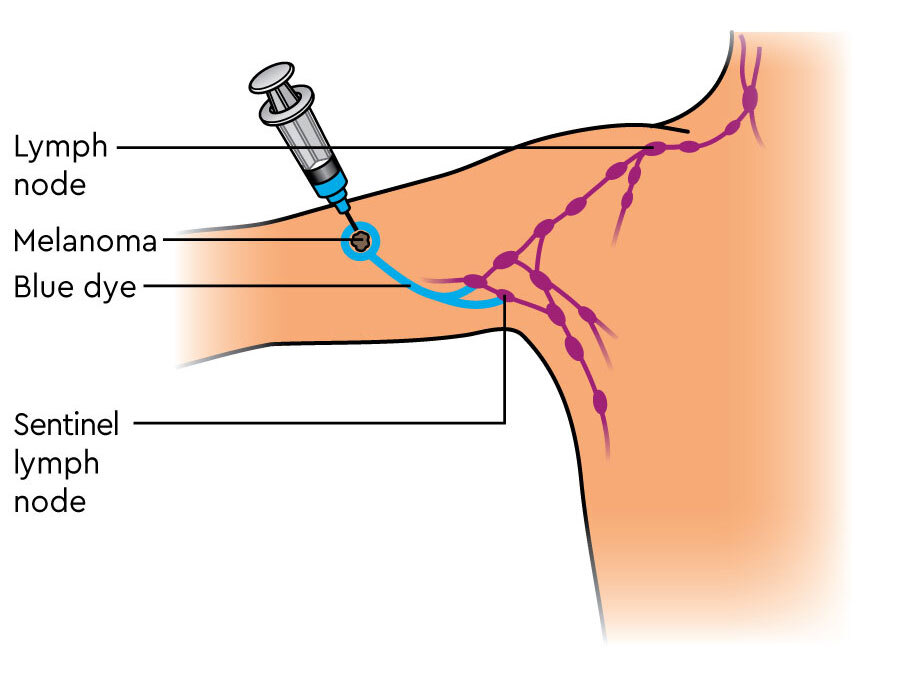
- Biopsy: Using imaging techniques like ultrasound, CT, or MRI to guide the needle to obtain a tissue sample for diagnosis.
- Drainage Procedures: Placement of tubes to drain fluid collections, such as abscesses or cysts.
- Angiography: Imaging of blood vessels after injecting a contrast agent to diagnose vascular conditions and guide interventions.
Endovenous Laser Therapy (EVLT):
- A minimally invasive procedure for treating varicose veins using laser energy.
Uterine Fibroid Embolization (UFE):
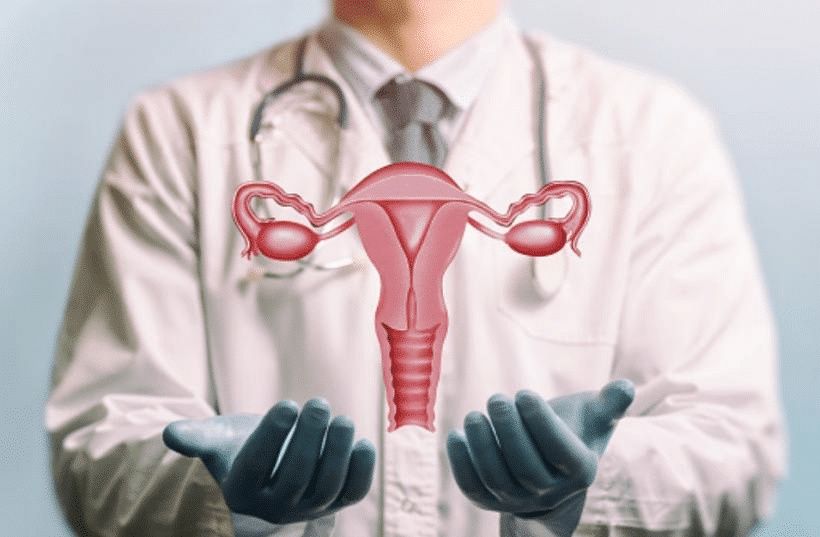
- A procedure that uses imaging to guide the placement of particles to block blood supply to uterine fibroids, causing them to shrink.
Balloon Angioplasty and Stenting:
- Procedures to open narrowed or blocked blood vessels and place stents to keep them open, often used in the treatment of peripheral artery disease.
Radiology Services Workflow
Referral and Scheduling:
- Patients are typically referred for imaging by their primary care physician or specialist. Appointments are scheduled based on the urgency and type of imaging required.
Imaging Procedure:
- The patient undergoes the imaging procedure, which is performed by a radiologic technologist or radiographer. The procedure varies depending on the type of imaging.
Image Interpretation:
- Radiologists, who are medical doctors specialized in interpreting medical images, analyze the images and provide a detailed report to the referring physician.
Consultation and Follow-Up:
- The referring physician discusses the results with the patient and decides on the next steps for diagnosis or treatment based on the imaging findings.
Benefits of Radiology Services
- Early Detection: Identifies diseases and conditions early, which can lead to more effective treatment.
- Non-Invasive: Many imaging techniques are non-invasive, providing valuable information without the need for surgery.
- Guidance for Treatment: Helps guide various treatment procedures and interventions, improving accuracy and outcomes.
Limitations and Considerations
- Radiation Exposure: Some imaging techniques, such as X-rays and CT scans, involve radiation, which should be minimized and justified based on medical necessity.
- Contrast Agents: Some procedures require contrast agents, which can cause allergic reactions or other side effects in rare cases.
- Cost and Accessibility: Advanced imaging techniques can be expensive and may not be available in all healthcare settings.
Radiology services are integral to modern healthcare, providing critical insights that aid in diagnosing and managing a wide range of medical conditions.