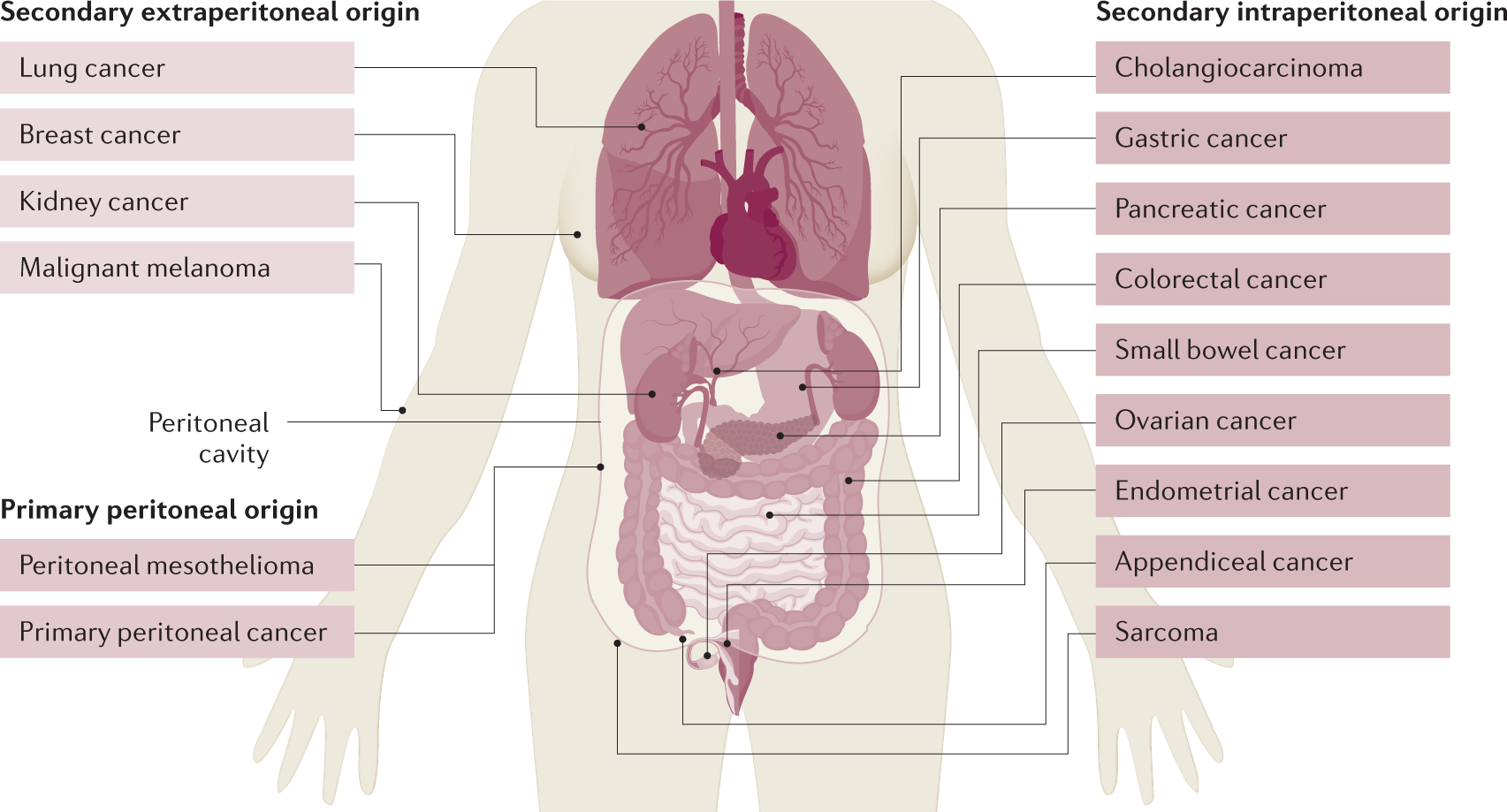
Overview
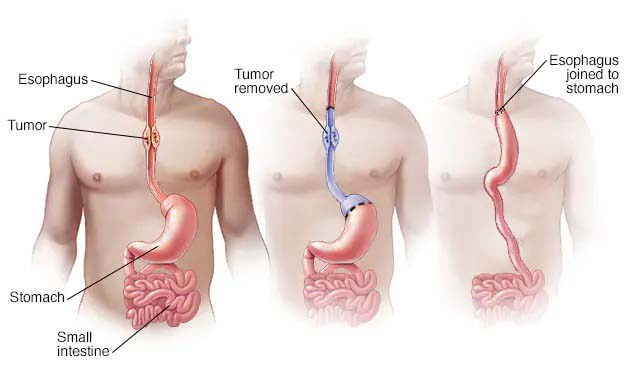
Cancer of the esophagus, lungs, stomach, and liver are all serious conditions, each with distinct characteristics, symptoms, and treatment options. Here’s an overview of each:
Esophageal Cancer
Types:
- Squamous Cell Carcinoma: Originates in the cells lining the esophagus.
- Adenocarcinoma: Begins in glandular cells, often associated with Barrett's esophagus.
Symptoms:
- Difficulty swallowing (dysphagia)
- Persistent chest pain or discomfort
- Weight loss
- Persistent cough or hoarseness
- Indigestion or heartburn
Diagnosis:
- Endoscopy: Visualization of the esophagus and biopsy of suspicious areas.
- Imaging Studies: CT scans, MRI, and PET scans to assess the extent and spread.
- Endoscopic Ultrasound (EUS): Evaluates the depth of the tumor and nearby lymph nodes.
Treatment:
- Surgery: Esophagectomy, removal of part or all of the esophagus.
- Radiation Therapy: To target cancer cells in the esophagus.
- Chemotherapy: Often used before surgery (neoadjuvant) or after (adjuvant) to kill remaining cancer cells.
- Targeted Therapy: Drugs that target specific cancer cell processes.
- Immunotherapy: Emerging option for some patients.
Lung Cancer
Types:
- Non-Small Cell Lung Cancer (NSCLC): The most common type, including adenocarcinoma, squamous cell carcinoma, and large cell carcinoma.
- Small Cell Lung Cancer (SCLC): Less common but more aggressive.
Symptoms:
- Persistent cough
- Chest pain
- Shortness of breath
- Coughing up blood
- Unexplained weight loss
Diagnosis:
- Imaging Studies: Chest X-ray, CT scan, and PET scan.
- Biopsy: Bronchoscopy or needle biopsy to obtain tissue for analysis.
- Molecular Testing: To identify specific genetic mutations and guide targeted therapy.
Treatment:
- Surgery: Lobectomy or pneumonectomy for localized NSCLC.
- Radiation Therapy: Used alone or in combination with other treatments.
- Chemotherapy: Commonly used for SCLC and advanced NSCLC.
- Targeted Therapy: For cancers with specific genetic mutations.
- Immunotherapy: For advanced or metastatic lung cancer.
Stomach Cancer (Gastric Cancer)
Types:
- Adenocarcinoma: The most common type, starting in the glandular cells of the stomach lining.
- Lymphoma: Cancer of the lymphatic tissue in the stomach.
- Gastrointestinal Stromal Tumors (GISTs): Rare tumors in the stomach's connective tissue.
Symptoms:
- Persistent stomach pain or discomfort
- Nausea and vomiting
- Loss of appetite
- Weight loss
- Difficulty swallowing
Diagnosis:
- Endoscopy: Direct visualization and biopsy of the stomach lining.
- Imaging Studies: CT scan, MRI, and PET scan to determine the extent of the disease.
- Endoscopic Ultrasound (EUS): Evaluates the depth of tumor invasion.
Treatment:
- Surgery: Gastrectomy, partial or total removal of the stomach.
- Chemotherapy: Often used before surgery (neoadjuvant) or after (adjuvant).
- Radiation Therapy: Used in certain cases.
- Targeted Therapy: For specific genetic mutations.
- Immunotherapy: For some advanced cases.
Liver Cancer
Types:
- Hepatocellular Carcinoma (HCC): The most common type, originating from liver cells.
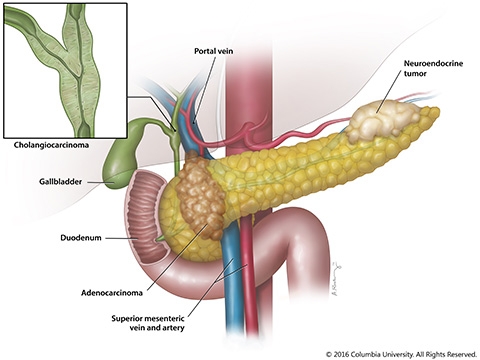
- Cholangiocarcinoma: Cancer of the bile ducts.
- Hepatoblastoma: A rare type of liver cancer in children.
Symptoms:
- Abdominal pain or swelling
- Unexplained weight loss
- Loss of appetite
- Jaundice (yellowing of the skin and eyes)
- Fatigue
Diagnosis:
- Imaging Studies: Ultrasound, CT scan, MRI, and PET scan.
- Biopsy: Liver biopsy to confirm cancer diagnosis.
- Blood Tests: To assess liver function and identify tumor markers (e.g., alpha-fetoprotein).
Treatment:
- Surgery: Partial hepatectomy or liver transplant for eligible patients.
- Radiation Therapy: Not commonly used but may be an option in certain cases.
- Chemotherapy: Typically used for advanced cancer or in combination with other therapies.
- Targeted Therapy: Drugs like sorafenib or lenvatinib for advanced HCC.
- Immunotherapy: For certain cases of advanced liver cancer.
Each type of cancer requires a personalized treatment approach based on the cancer stage, location, overall health, and patient preferences. Collaboration between specialists and a comprehensive treatment plan are essential for effective management.