Overview
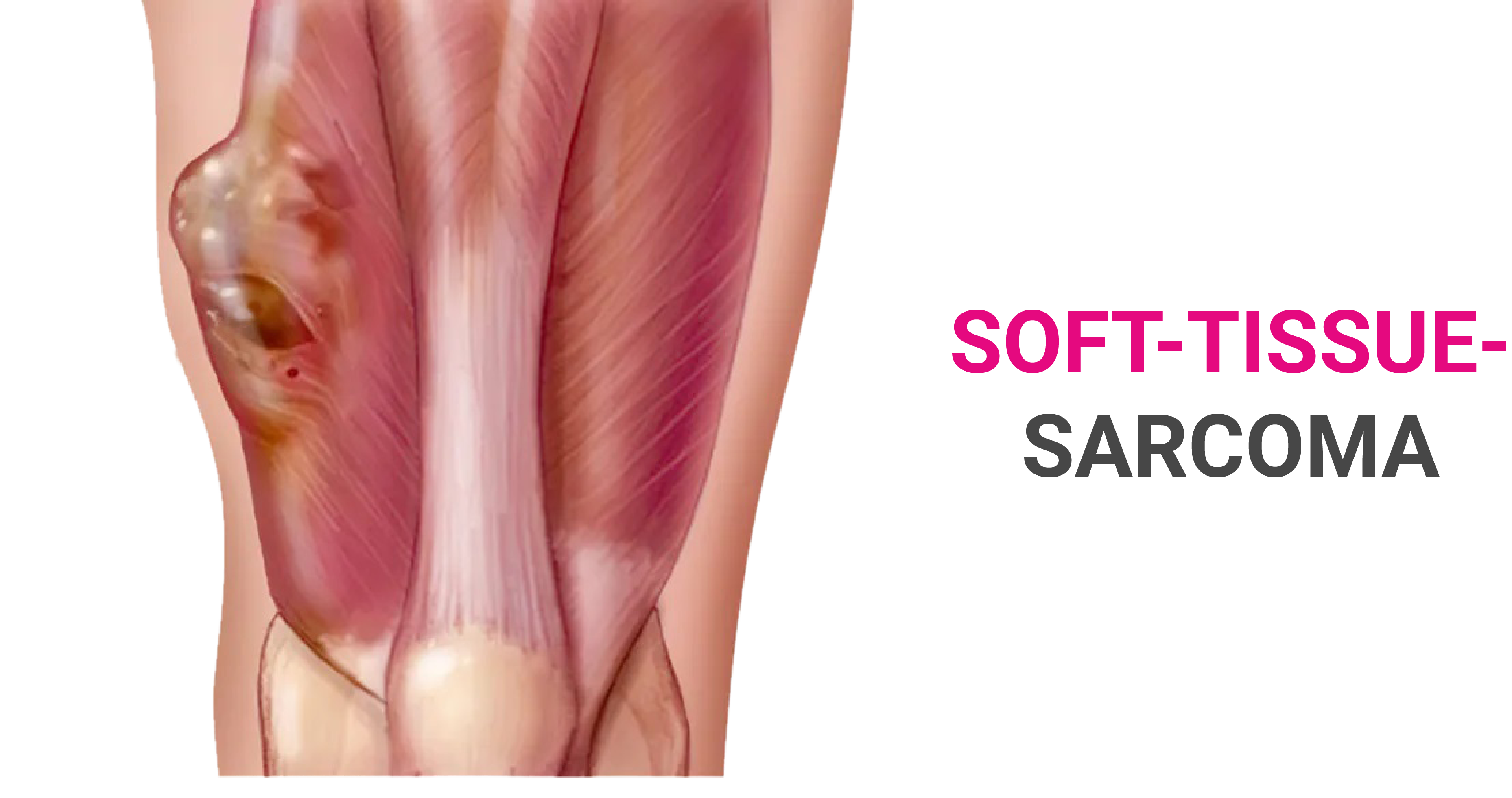
Soft tissue sarcoma is a rare type of cancer that arises in the soft tissues of the body, which include muscles, fat, blood vessels, nerves, and connective tissues. These tumors can occur in any part of the body but are most commonly found in the arms, legs, and torso. Key aspects of soft tissue sarcoma include:
Types of Soft Tissue Sarcoma:
- Liposarcoma: Arises from fat cells.
- Leiomyosarcoma: Originates from smooth muscle cells.
- Rhabdomyosarcoma: Develops from skeletal muscle cells; more common in children.
- Synovial Sarcoma: Typically occurs near joints and tends to affect young adults.
- Fibrosarcoma: Comes from fibrous connective tissues.
- Angiosarcoma: Originates from blood vessels or lymphatic vessels.
- Clear Cell Sarcoma: Arises from soft tissue and is often found in the extremities.
Symptoms:
- Lumps or Masses: Often, the first sign is a noticeable lump or mass that may be painful or painless.
- Pain: Pain may occur if the tumor presses on nerves or other structures.
- Swelling: Localized swelling in the area where the sarcoma is growing.
- Functional Impairment: Depending on the tumor's location, it can affect movement or function in the affected area.
Diagnosis:
- Physical Examination: Initial evaluation of the lump or mass.
- Imaging Studies:
- X-rays: To assess the bone and surrounding areas.
- CT Scans: To get detailed images of the tumor and surrounding tissues.
- MRI: Provides detailed images of soft tissues to evaluate the extent of the tumor.
- PET Scans: Used to check for metastasis (spread) of the cancer.
- Biopsy: Removal of a sample of tissue for examination under a microscope to confirm the diagnosis and determine the type of sarcoma.
Staging and Grading:
- Staging: Determines the extent of the cancer and whether it has spread to other parts of the body. Stages range from I (localized) to IV (metastatic).
- Grading: Assesses how abnormal the cancer cells look under a microscope and how quickly the tumor is likely to grow. It is usually classified as low, intermediate, or high grade.
Treatment Options:
- Surgery: The primary treatment for soft tissue sarcoma, aiming to remove the tumor and some surrounding healthy tissue to ensure complete removal.
- Radiation Therapy: Used to destroy cancer cells in the area where surgery may not be feasible or to shrink tumors before surgery.
- Chemotherapy: Often used for sarcomas that have spread or are high grade. It involves the use of drugs to kill cancer cells throughout the body.
- Targeted Therapy: Uses drugs that specifically target cancer cells with certain genetic mutations or characteristics.
- Immunotherapy: Uses the body’s immune system to fight cancer. This is an emerging area of treatment for some types of sarcomas.
Follow-Up Care:
- Monitoring: Regular follow-up visits with imaging studies to monitor for recurrence or metastasis.
- Rehabilitation: Physical therapy and other supportive services to help recover function and quality of life.
Prognosis:
- Factors Affecting Prognosis: Tumor type, grade, stage, location, and how well it responds to treatment all influence prognosis.
- Survival Rates: Vary based on the type and stage of sarcoma and the effectiveness of the treatment.
Support and Resources:
- Patient Support Groups: Providing emotional support and information for patients and families dealing with soft tissue sarcoma.
- Educational Resources: Offering information about the disease, treatment options, and coping strategies.
Soft tissue sarcomas are complex and require a multidisciplinary approach to treatment. Early diagnosis and a comprehensive treatment plan are crucial for improving outcomes and quality of life for patients with this rare cancer.