Gynecologic oncology
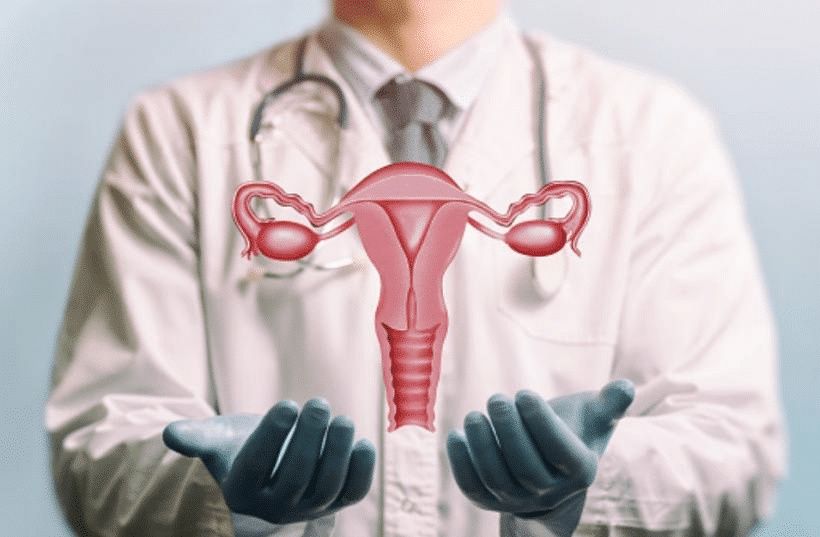
Gynecologic oncology is a specialized field of medicine focused on diagnosing and treating cancers of the female reproductive system. This includes cancers of the ovaries, fallopian tubes, uterus, cervix, vagina, and vulva. Key aspects of gynecologic oncology include:
Diagnosis and Staging:
- Screening Tests: Utilizing methods such as Pap smears, HPV testing, and pelvic exams for early detection of gynecologic cancers.
- Imaging and Biopsy: Employing ultrasound, CT scans, MRI, and biopsies to diagnose and stage cancers accurately.
Surgical Management:
- Radical Hysterectomy: Removing the uterus, surrounding tissue, part of the vagina, and sometimes lymph nodes for cervical and uterine cancers.
- Oophorectomy and Salpingo-oophorectomy: Removing one or both ovaries and fallopian tubes, often used for ovarian cancer.
- Debulking Surgery: Reducing the size of ovarian tumors to enhance the effectiveness of chemotherapy.
- Minimally Invasive Surgery: Using laparoscopic or robotic techniques for less invasive procedures, leading to quicker recovery and fewer complications.
Medical Treatments:
- Chemotherapy: Administering drugs to kill cancer cells, often used before or after surgery or as the main treatment for advanced cancers.
- Targeted Therapy: Utilizing drugs that specifically target cancer cell mechanisms, such as PARP inhibitors for certain types of ovarian cancer.
- Immunotherapy: Harnessing the body’s immune system to fight cancer cells.
Radiation Therapy:
- External Beam Radiation: Directing high-energy beams at the cancer site from outside the body.
- Brachytherapy: Placing radioactive material inside or near the tumor, commonly used for cervical and uterine cancers.
Preventive Strategies:
- HPV Vaccination: Preventing cervical and other gynecologic cancers caused by the human papillomavirus.
- Risk-Reducing Surgery: Offering prophylactic surgeries like bilateral salpingo-oophorectomy for women with a high genetic risk of ovarian cancer.
Supportive Care:
- Symptom Management: Addressing pain, nutritional needs, and emotional support to improve the quality of life.
- Palliative Care: Providing comprehensive care for advanced cancer patients focusing on relief from symptoms and stress.
Multidisciplinary Approach:
- Collaborative Care: Working with medical oncologists, radiation oncologists, pathologists, radiologists, and other specialists to provide holistic cancer care.
Gynecologic oncologists are experts in managing complex gynecologic cancers, often employing a combination of surgical, medical, and radiation therapies to achieve the best outcomes for patients. They also play a vital role in preventive care and research to advance the treatment and understanding of gynecologic cancers.