Overview
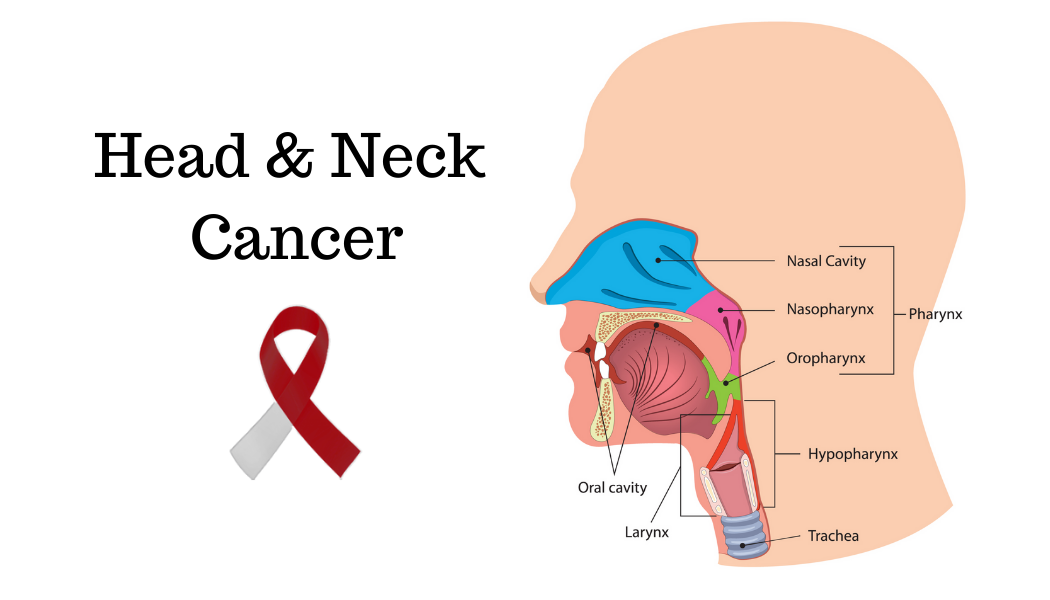
Head and neck cancer encompasses a variety of cancers that develop in the head and neck region, including the oral cavity, throat, larynx (voice box), nasal cavity, sinuses, and salivary glands. Here’s an overview of head and neck cancer:
Types of Head and Neck Cancer
Oral Cavity Cancer:
- Lip Cancer: Affects the lips.
- Tongue Cancer: Can occur on the surface or underside of the tongue.
- Gum Cancer: Affects the gums (gingiva).
- Floor of the Mouth Cancer: Located under the tongue.
Oropharyngeal Cancer:
- Tonsil Cancer: Affects the tonsils.
- Soft Palate Cancer: Located in the soft part of the roof of the mouth.
- Base of the Tongue Cancer: Located at the back of the tongue.
Laryngeal Cancer:
- Supraglottic: Above the vocal cords.
- Glottic: Involving the vocal cords.
- Subglottic: Below the vocal cords.
Nasopharyngeal Cancer:
- Located in the nasopharynx, the area behind the nose and above the back of the throat.
Sinus and Nasal Cavity Cancer:
- Affects the sinuses and nasal passages.
Salivary Gland Cancer:
- Parotid Gland: The largest salivary glands located near the jaw.
- Submandibular Gland: Located beneath the jaw.
- Sublingual Gland: Located under the tongue.
Symptoms
- Persistent Sore Throat: Especially if it doesn't heal.
- Mouth Sores: Non-healing ulcers or sores in the mouth.
- Lumps or Masses: In the mouth, neck, or throat.
- Difficulty Swallowing: Pain or difficulty when swallowing.
- Voice Changes: Hoarseness or other changes in the voice.
- Nasal Congestion: Persistent congestion or bleeding.
- Ear Pain: Pain in one ear without an obvious cause.
- Unexplained Weight Loss: Significant weight loss without a known reason.
Diagnosis
- Physical Examination: Includes a thorough examination of the head, neck, and oral cavity.
- Imaging Studies:
- CT Scan: Detailed imaging to assess the extent and spread of cancer.
- MRI: Provides detailed images of soft tissues.
- PET Scan: Used to identify cancer spread and evaluate treatment response.
- Endoscopy: Allows for direct visualization of the affected areas and biopsy collection.
- Biopsy: Removal and examination of tissue samples to confirm cancer diagnosis.
Staging and Grading
- Staging: Determines the extent of cancer spread, often using the TNM system (Tumor, Node, Metastasis).
- Grading: Assesses how abnormal the cancer cells look and how quickly the cancer is likely to grow.
Treatment
Surgery:
- Tumor Resection: Removal of the tumor and surrounding tissue.
- Reconstructive Surgery: May be needed to restore function and appearance.
Radiation Therapy:
- External Beam Radiation: Targets the cancer cells from outside the body.
- Brachytherapy: Involves placing radioactive sources inside or very close to the tumor.
Chemotherapy:
- Adjuvant Chemotherapy: Often used in combination with surgery or radiation.
- Neoadjuvant Chemotherapy: Given before surgery to shrink the tumor.
Targeted Therapy:
- Drugs: Target specific molecular changes in cancer cells.
Immunotherapy:
- Checkpoint Inhibitors: Help the immune system recognize and attack cancer cells.
Supportive Care
- Speech and Swallowing Therapy: To assist with recovery of speech and swallowing functions after treatment.
- Nutritional Support: Ensuring adequate nutrition during and after treatment.
- Pain Management: Addressing pain through medications and other therapies.
- Psychological Support: Counseling and support groups to help cope with the emotional impact of cancer and its treatment.
Prognosis
- Factors Affecting Prognosis: Stage and location of the cancer, overall health, response to treatment, and whether the cancer has spread to other areas.
- Survival Rates: Vary based on the type and stage of cancer, as well as individual factors.
Resources
- Support Groups: Providing emotional support and information for patients and families.
- Educational Resources: Offering detailed information about the disease and treatment options.
Head and neck cancers can significantly impact quality of life, so a multidisciplinary approach involving oncologists, surgeons, radiation therapists, speech and swallowing specialists, and supportive care providers is essential for comprehensive management and care.