Overview
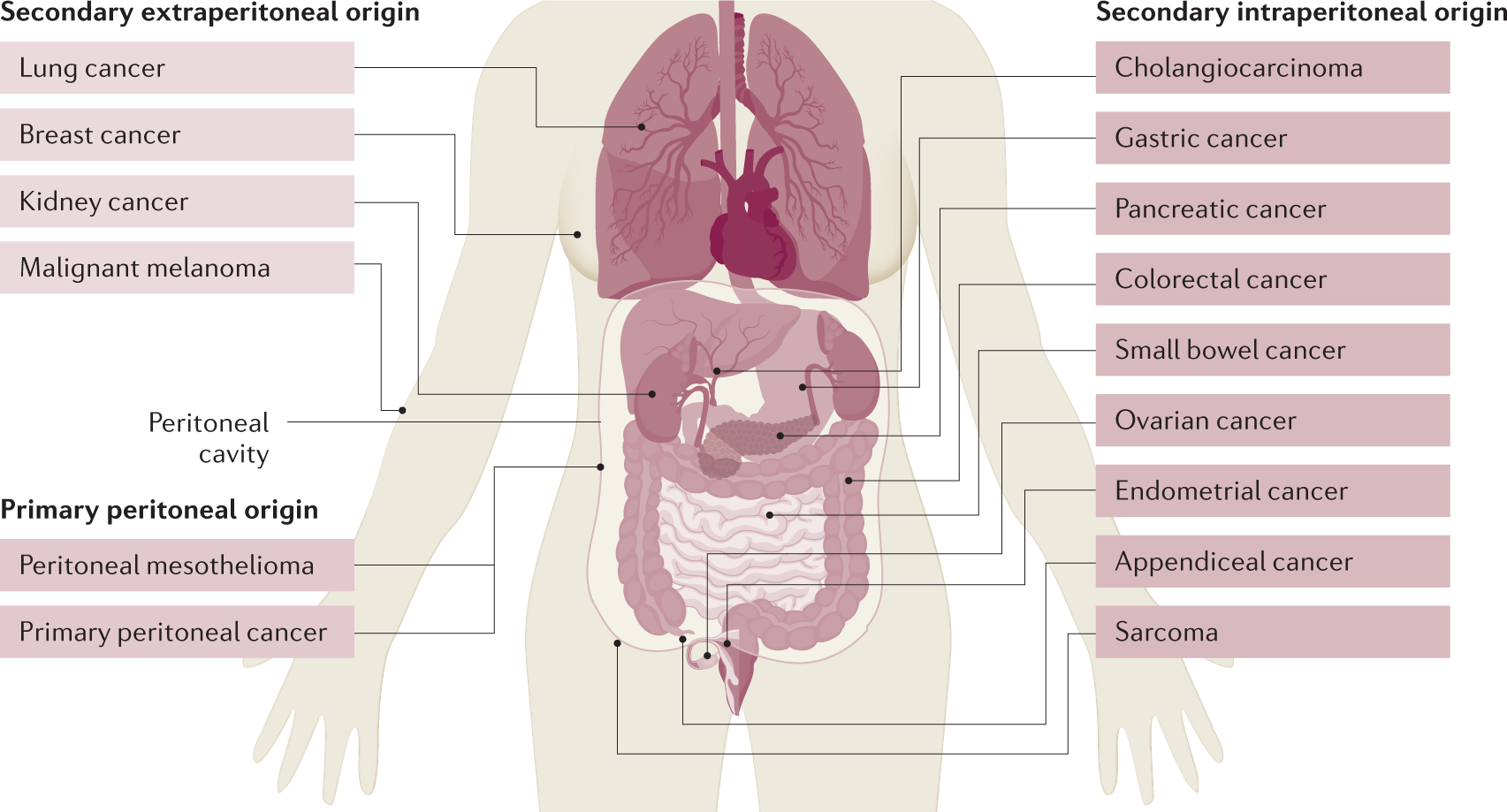
Peritoneal malignancy refers to cancer that originates in or spreads to the peritoneum, the thin layer of tissue that lines the abdominal cavity and covers most of the abdominal organs. This type of cancer is often challenging to diagnose and treat due to its diffuse nature and late presentation. Here’s an overview of peritoneal malignancy:
Types of Peritoneal Malignancy
Primary Peritoneal Cancer:
- Primary Peritoneal Carcinoma (PPC): A rare cancer that originates in the peritoneum itself, similar to ovarian cancer in terms of its presentation and treatment. It often occurs in women and is usually diagnosed at an advanced stage.
Secondary Peritoneal Cancer:
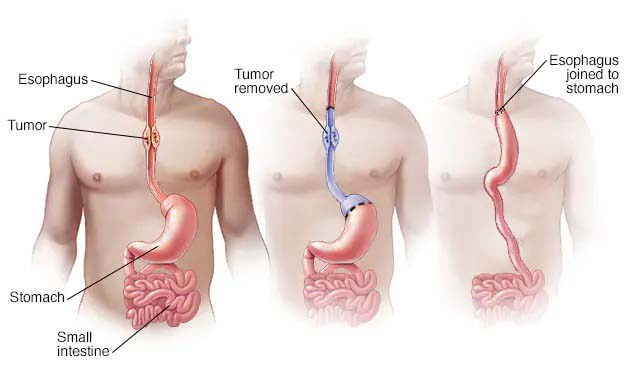
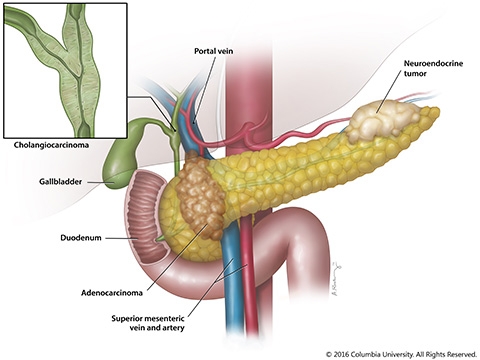
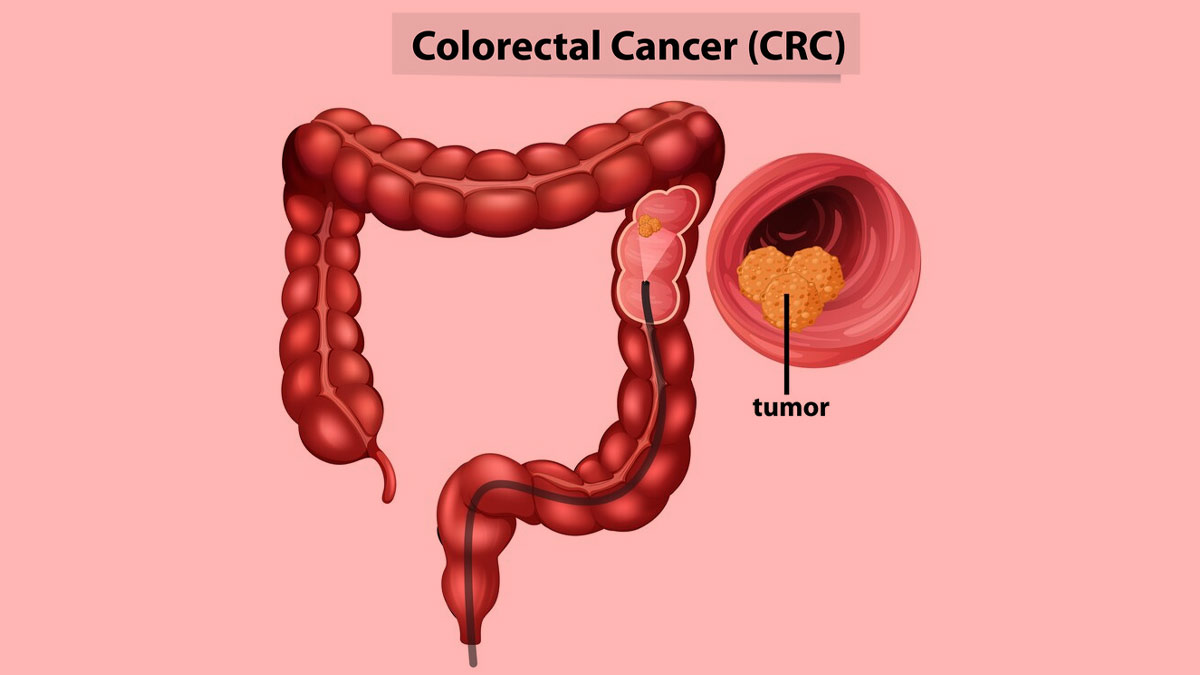
- Metastatic Cancer: Cancer from other organs that spreads to the peritoneum. Common sources include ovarian, gastric, colorectal, and pancreatic cancers.
- Peritoneal Mesothelioma: A rare cancer linked to asbestos exposure that affects the peritoneum.
Symptoms
- Abdominal Pain: Persistent or worsening pain in the abdomen.
- Abdominal Swelling: Increasing abdominal girth or noticeable swelling.
- Ascites: Accumulation of fluid in the abdominal cavity, leading to bloating.
- Digestive Issues: Nausea, vomiting, loss of appetite, or changes in bowel habits.
- Weight Loss: Unexplained weight loss.
- Early Satiety: Feeling full after eating only a small amount of food.
Diagnosis
Imaging Studies:
- CT Scan: Provides detailed images of the abdominal cavity and helps detect fluid accumulation and tumor spread.
- MRI: Offers detailed imaging, particularly useful for assessing soft tissue involvement.
- Ultrasound: Helps identify fluid and guide diagnostic procedures.
Endoscopy:
- Laparoscopy: Minimally invasive procedure to visualize the peritoneal cavity, take biopsies, and sometimes perform therapeutic procedures.
Biopsy: Removal and examination of tissue samples from the peritoneum to confirm the diagnosis.
Paracentesis: Needle removal of fluid from the abdominal cavity for analysis to check for cancer cells.
Staging and Grading
- Staging: Determines the extent of cancer spread within the peritoneum and to other organs. The Peritoneal Cancer Index (PCI) is often used to assess the extent of disease.
- Grading: Assesses the appearance of cancer cells under a microscope and helps predict how quickly the cancer might grow.
Treatment
Surgery:
- Cytoreductive Surgery: Aims to remove as much of the cancerous tissue as possible. Often combined with hyperthermic intraperitoneal chemotherapy (HIPEC), where heated chemotherapy is applied directly to the peritoneal cavity during surgery.
Chemotherapy:
- Systemic Chemotherapy: Used to treat cancer cells throughout the body.
- Intraperitoneal Chemotherapy: Delivered directly into the peritoneal cavity to target cancer cells in that area.
Radiation Therapy: Less commonly used, but may be considered for certain cases.
Targeted Therapy: Uses drugs that specifically target cancer cells based on their molecular characteristics.
Immunotherapy: May be an option for some patients, depending on the specific characteristics of the cancer.
Supportive Care
- Symptom Management: Addressing pain, ascites, and other symptoms to improve quality of life.
- Nutritional Support: Ensuring adequate nutrition, especially if digestive issues are present.
- Palliative Care: Focusing on comfort and quality of life for patients with advanced disease.
Prognosis
- Factors Affecting Prognosis: Stage of cancer, extent of disease, response to treatment, and overall health.
- Survival Rates: Vary widely based on these factors and the effectiveness of treatment.
Resources
- Support Groups: Providing emotional and practical support for patients and families.
- Educational Resources: Offering information about the disease, treatment options, and coping strategies.
Peritoneal malignancy often requires a multidisciplinary approach involving oncologists, surgeons, radiologists, and palliative care specialists to effectively manage the disease and support the patient. Early diagnosis and comprehensive treatment are crucial for improving outcomes.