Critical Care
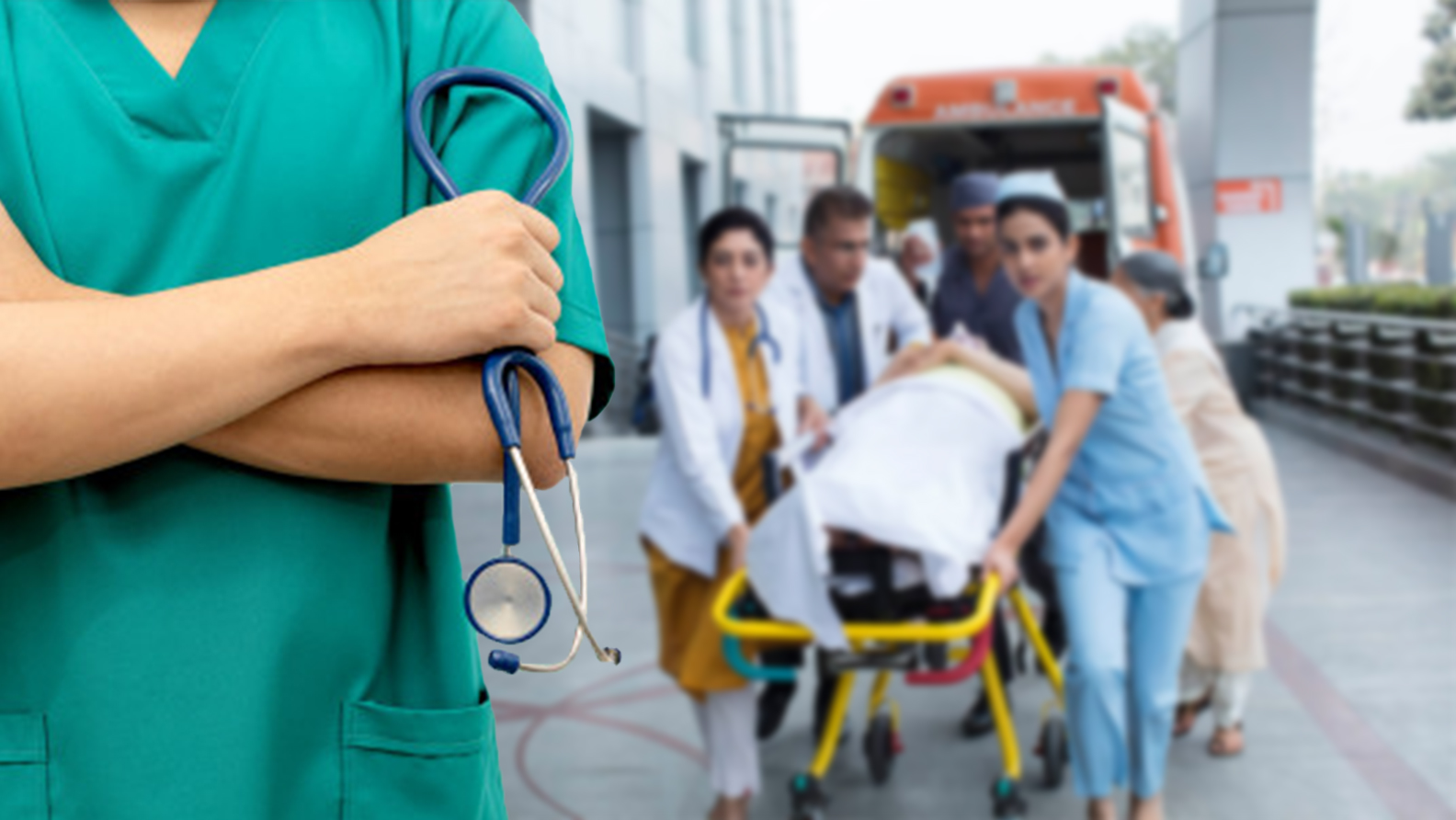
Critical care, also known as intensive care, is a specialized field of medicine that deals with the diagnosis and management of life-threatening conditions requiring sophisticated organ support and invasive monitoring. It involves caring for patients with severe and complex illnesses or injuries in intensive care units (ICUs). Key aspects of critical care include:
Multidisciplinary Team:
- Intensivists: Physicians specialized in critical care medicine.
- Critical Care Nurses: Nurses with advanced training in caring for critically ill patients.
- Respiratory Therapists: Professionals specialized in managing patients' respiratory needs.
- Pharmacists: Experts in medication management for critically ill patients.
- Dietitians: Specialists in nutritional support for ICU patients.
- Physical and Occupational Therapists: Professionals aiding in the recovery and rehabilitation of ICU patients.
- Social Workers and Psychologists: Providing emotional and social support to patients and families.
Comprehensive Monitoring and Support:
- Vital Signs Monitoring: Continuous monitoring of heart rate, blood pressure, respiratory rate, and oxygen saturation.
- Invasive Monitoring: Using devices such as arterial lines, central venous catheters, and pulmonary artery catheters for advanced monitoring.
- Mechanical Ventilation: Providing respiratory support through ventilators for patients with respiratory failure.
- Hemodynamic Support: Using medications and devices to support cardiovascular function, such as vasopressors and intra-aortic balloon pumps.
Organ Support and Replacement Therapies:
- Renal Replacement Therapy: Using dialysis or continuous renal replacement therapy (CRRT) for patients with acute kidney injury.
- Extracorporeal Membrane Oxygenation (ECMO): Providing prolonged cardiac and respiratory support in severe cases of heart or lung failure.
- Nutritional Support: Administering enteral or parenteral nutrition to ensure adequate caloric intake for critically ill patients.
Management of Critical Conditions:
- Sepsis and Septic Shock: Early recognition and aggressive management of sepsis, including antibiotics, fluid resuscitation, and vasopressors.
- Acute Respiratory Distress Syndrome (ARDS): Using lung-protective ventilation strategies and other supportive measures.
- Cardiac Arrest and Post-Resuscitation Care: Managing cardiac arrest and providing post-resuscitation care to optimize recovery.
- Trauma Care: Coordinating the care of patients with severe trauma, including surgical interventions and intensive monitoring.
- Neurological Emergencies: Managing conditions such as stroke, traumatic brain injury, and status epilepticus.
Infection Control:
- Preventing Infections: Implementing strict infection control practices to prevent hospital-acquired infections.
- Antimicrobial Stewardship: Using antibiotics judiciously to prevent the development of antibiotic resistance.
Ethical and End-of-Life Care:
- Decision-Making Support: Assisting patients and families in making informed decisions about treatment options and goals of care.
- Palliative Care: Providing palliative care and ensuring comfort for patients with terminal conditions.
- Advance Directives: Respecting patients' wishes regarding life-sustaining treatments and advance directives.
Education and Training:
- Staff Education: Continuously training healthcare professionals in the latest critical care practices and technologies.
- Simulation Training: Using simulation to practice and improve skills in managing critical situations.
Research and Quality Improvement:
- Clinical Research: Conducting research to advance the understanding and treatment of critical illnesses.
- Quality Improvement Initiatives: Implementing protocols and initiatives to improve patient outcomes and ICU processes.
Patient and Family Support:
- Communication: Maintaining clear and compassionate communication with patients and their families about the patient's condition and treatment plan.
- Emotional Support: Providing psychological and emotional support to help families cope with the stress of having a loved one in the ICU.
Critical care medicine is essential for managing patients with life-threatening conditions, aiming to stabilize and support patients through acute crises and improve their chances of recovery. The multidisciplinary approach ensures comprehensive care and optimal outcomes for critically ill patients.