Radiation Oncology
Radiation oncology is a medical specialty focused on treating cancer and some non-cancerous conditions using radiation therapy. Radiation oncologists utilize various forms of radiation to kill cancer cells, shrink tumors, and provide symptom relief. Key aspects of radiation oncology include:
Types of Radiation Therapy:
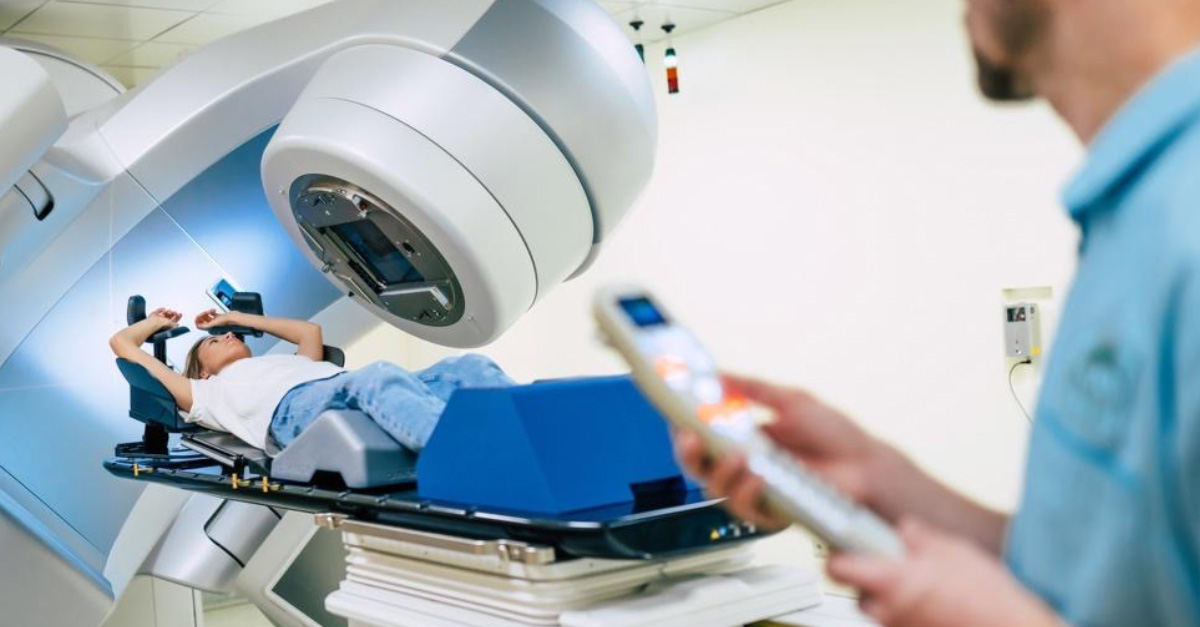
- External Beam Radiation Therapy (EBRT): Delivering high-energy beams to the cancer site from outside the body using machines like linear accelerators.
- Internal Radiation Therapy (Brachytherapy): Placing radioactive sources inside or near the tumor. Commonly used for cervical, prostate, and breast cancers.
- Systemic Radiation Therapy: Using radioactive substances that travel in the blood to target cancer cells throughout the body, such as radioactive iodine for thyroid cancer.
Techniques and Technologies:
- Three-Dimensional Conformal Radiation Therapy (3D-CRT): Using imaging technology to target the tumor precisely, sparing healthy tissue.
- Intensity-Modulated Radiation Therapy (IMRT): Modulating the intensity of the radiation beams to deliver higher doses to the tumor while minimizing exposure to surrounding tissues.
- Image-Guided Radiation Therapy (IGRT): Utilizing imaging during treatment to improve precision and accuracy.
- Stereotactic Radiosurgery (SRS) and Stereotactic Body Radiotherapy (SBRT): Delivering highly focused, high-dose radiation in one or a few sessions to treat small, well-defined tumors in the brain or body.
- Proton Therapy: Using protons instead of X-rays to treat cancer, allowing for more precise targeting of tumors with minimal damage to surrounding tissues.
Treatment Planning:
- Simulation: Conducting imaging studies like CT, MRI, or PET scans to map out the tumor and surrounding structures.
- Dosimetry: Calculating the appropriate radiation dose to maximize tumor control while minimizing side effects.
- Treatment Planning Systems: Using advanced software to design and optimize the delivery of radiation therapy.
Multimodal Therapy:
- Combination with Surgery and Chemotherapy: Often integrating radiation therapy with other treatments to improve outcomes. For example, preoperative radiation to shrink tumors before surgery or concurrent chemoradiation for enhanced effectiveness.
Side Effects and Management:
- Acute Side Effects: Managing short-term side effects such as skin irritation, fatigue, and gastrointestinal issues.
- Late Effects: Monitoring and treating long-term side effects that may arise months or years after treatment, such as fibrosis, secondary cancers, or organ damage.
Palliative Care:
- Symptom Relief: Using radiation therapy to alleviate pain, control bleeding, or relieve other symptoms in advanced cancer patients.
Advancements and Research:
- Clinical Trials: Participating in research to develop new radiation techniques, improve existing protocols, and enhance patient outcomes.
- Technological Innovations: Continuously integrating new technologies and methodologies to increase the precision, safety, and effectiveness of radiation therapy.
Patient Care and Support:
- Multidisciplinary Approach: Collaborating with medical oncologists, surgical oncologists, radiologists, pathologists, and other healthcare professionals to provide comprehensive cancer care.
- Patient Education and Counseling: Informing patients about the treatment process, potential side effects, and strategies for managing them.
Radiation oncologists play a crucial role in the comprehensive management of cancer, often working as part of a multidisciplinary team to deliver personalized and effective treatment plans. Their expertise in using advanced radiation technologies contributes significantly to improving cancer control and enhancing patients' quality of life.