Tumor Board
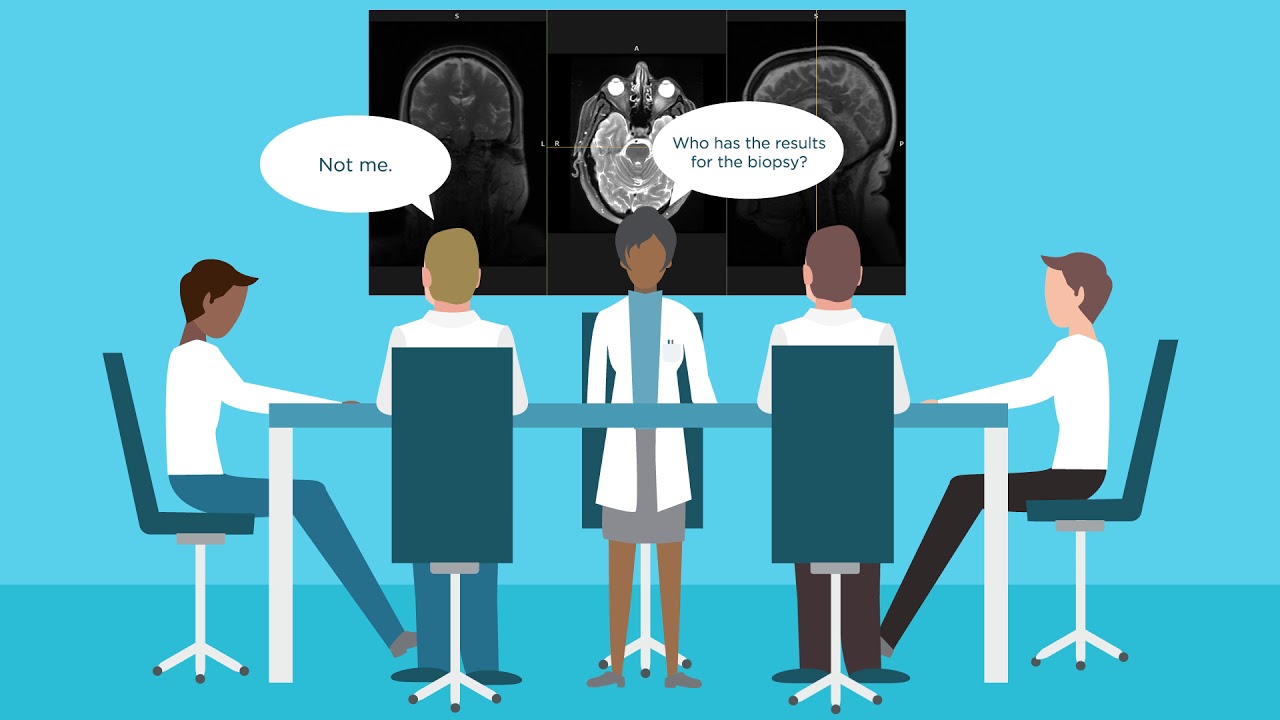
A tumor board, also known as a multidisciplinary tumor board or cancer conference, is a group of healthcare professionals from various specialties who come together to discuss and plan the treatment of individual cancer patients. The goal is to develop comprehensive, personalized treatment plans by leveraging the expertise of multiple disciplines. Key aspects of a tumor board include:
Multidisciplinary Team:
- Medical Oncologists: Specialists in cancer treatment using chemotherapy, hormonal therapy, targeted therapy, and immunotherapy.
- Surgical Oncologists: Surgeons specializing in the removal of tumors and cancerous tissues.
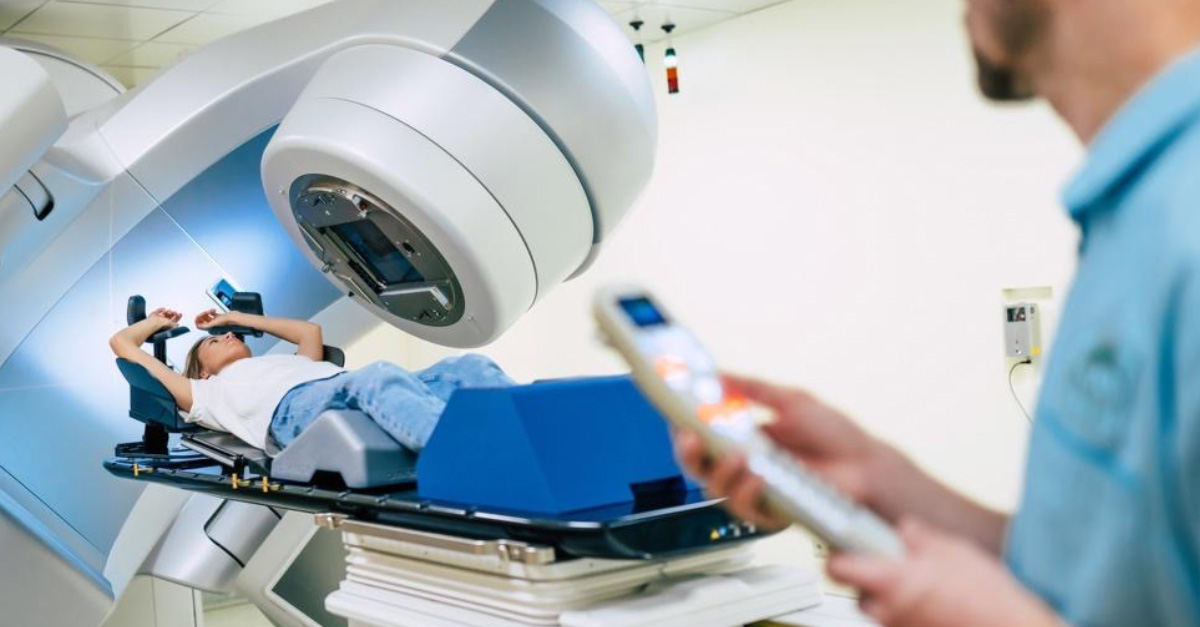
- Radiation Oncologists: Experts in treating cancer using radiation therapy.
- Radiologists: Specialists in imaging techniques used to diagnose and monitor cancer.
- Pathologists: Doctors who analyze tissue samples to diagnose cancer and understand its characteristics.
- Nurses and Nurse Practitioners: Healthcare professionals providing patient care and support.
- Genetic Counselors: Experts in genetic testing and counseling for hereditary cancers.
- Palliative Care Specialists: Professionals focusing on symptom management and quality of life for cancer patients.
- Social Workers and Psychologists: Providing emotional and social support to patients and families.
Case Presentation:
- Patient History: Reviewing the patient's medical history, including cancer diagnosis, previous treatments, and current condition.
- Diagnostic Imaging and Pathology: Presenting imaging studies (e.g., CT, MRI, PET scans) and pathology reports to understand the tumor's location, size, and characteristics.
- Laboratory Results: Discussing relevant blood tests and molecular/genetic testing results.
Discussion and Planning:
- Treatment Options: Evaluating and discussing various treatment options, including surgery, radiation therapy, chemotherapy, targeted therapy, and immunotherapy.
- Risk-Benefit Analysis: Assessing the potential benefits and risks of each treatment option.
- Patient Preferences: Considering the patient's preferences, values, and overall health in the decision-making process.
Developing a Treatment Plan:
- Consensus Decision: Reaching a consensus on the best course of action for the patient's treatment.
- Multimodal Approach: Often recommending a combination of treatments (e.g., surgery followed by chemotherapy and radiation) to optimize outcomes.
Follow-Up and Monitoring:
- Treatment Response: Monitoring the patient's response to treatment through follow-up imaging and tests.
- Adjusting the Plan: Making adjustments to the treatment plan based on the patient's progress and any side effects or complications.
Documentation and Communication:
- Documenting Decisions: Recording the discussion, recommendations, and treatment plan in the patient's medical record.
- Communicating with the Patient: Explaining the treatment plan to the patient and addressing any questions or concerns.
Educational and Research Opportunities:
- Learning from Cases: Providing educational opportunities for healthcare professionals to learn from complex cases and stay updated on the latest advancements in cancer care.
- Research Collaboration: Identifying opportunities for clinical trials and research studies to advance cancer treatment and knowledge.
Quality Improvement:
- Evaluating Outcomes: Reviewing treatment outcomes and identifying areas for improvement in patient care and processes.
The tumor board approach ensures that cancer patients receive comprehensive, well-rounded care that leverages the collective expertise of multiple specialists. This collaborative effort aims to improve treatment outcomes, enhance patient satisfaction, and provide the highest quality of care.